
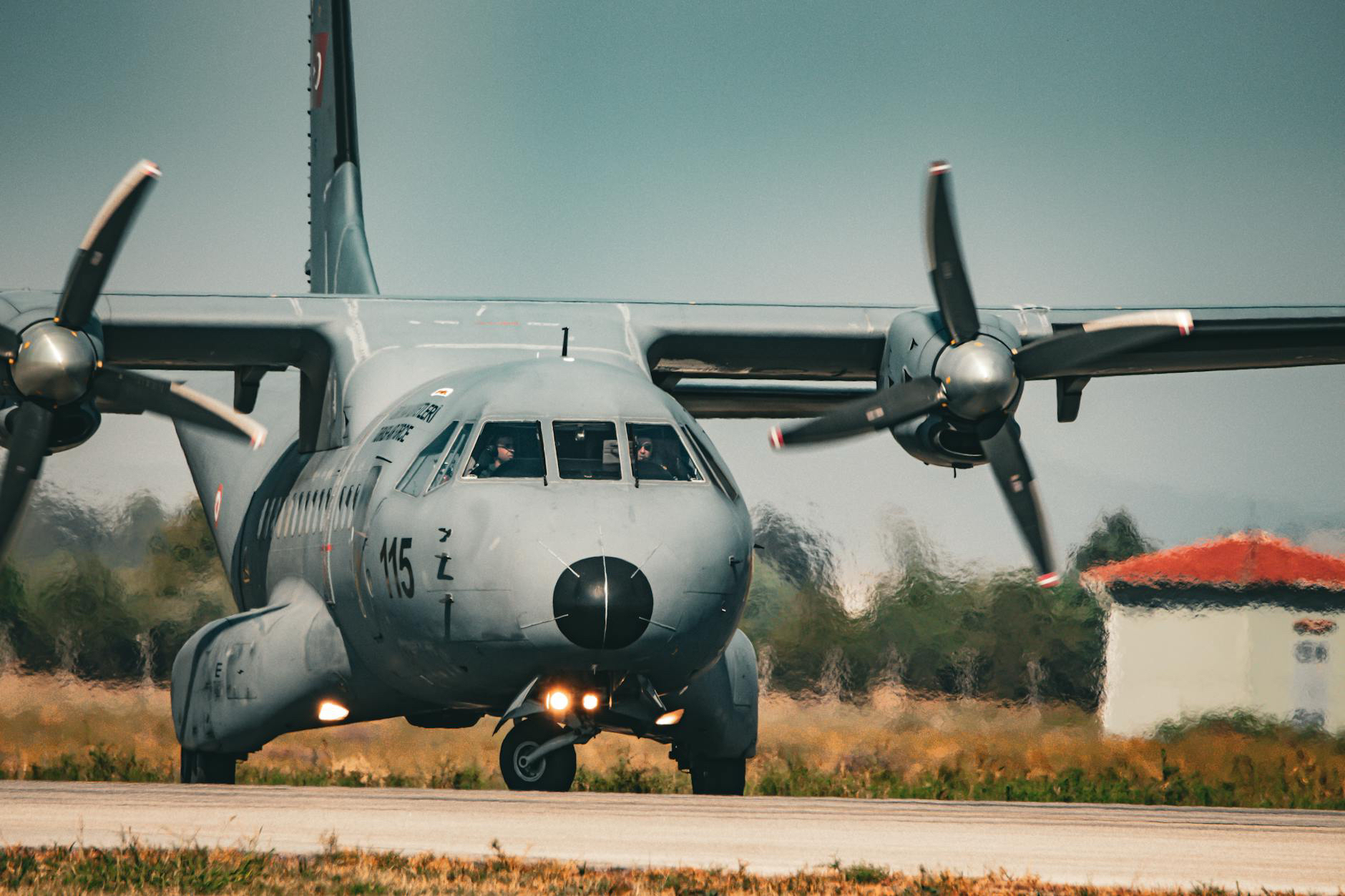
Italy has denied the United States use of the Sigonella military base in Sicily for a planned operation toward the Middle East, citing a lack of prior consultation and authorization. Defence Minister Guido Crosetto, acting on information from the Chief of Defence Staff Luciano Portolano, blocked the landing of US aircraft after discovering their flight plan—which involved a stopover at Sigonella en route to strike targets in Iran—was communicated only after the planes were already airborne.
Key Motivations
- No prior request: The US did not seek formal permission from Italian authorities.
- Breach of protocol: The Italian military leadership was not consulted, violating established bilateral procedures.
- Mission not covered by treaty: The operation was deemed combat-related, falling outside the scope of routine logistical flights permitted under existing agreements.
What It Means
This decision reaffirms Italy’s sovereign control over its military infrastructure and signals that cooperation with NATO allies, while strong, is not automatic. It echoes the 1985 Sigonella Crisis under Craxi, where Italy also asserted its autonomy against US actions.

Possible Political & Geopolitical Consequences
- Strained US-Italy relations: Risks diplomatic friction with Washington, especially under the Trump administration.
- Domestic political divide: While figures like Carlo Calenda praised the move as a stand for sovereignty, others warn of hypocrisy, noting Italy still provides logistical support for US operations via other bases.
- European strategic autonomy debate: Could fuel broader discussions within the EU about reducing military dependence on the US.
Question for Reflection
When does an alliance become complicity? Can a nation remain ethically neutral while hosting foreign military power that enables distant wars?



Comments
One response to “Italy Slams Brakes on US Warplanes: Sigonella Base Denied Amid Iran Tensions”
Italy's Sigonella decision extends the pattern Spain set on airspace. what's emerging isn't individual acts of neutrality — it's a coalition fracture along a consistent fault line: NATO members treating the alliance as a menu of commitments rather than a comprehensive obligation. Washington needs to count those votes.